

Elemental Analysis and Atomic Absorption Facility
The Research Facility offers a comprehensive range of advanced instrumentation for the characterization of chemical compounds, with a particular focus on purity assessment and elemental analysis—key aspects in the pharmaceutical sector.
Our capabilities include:
- Determination of Total Carbon (TC) and Total Organic Carbon (TOC) in water used for injectable drug formulations
- Sample mineralization in acidic environments
- Solvent-free extraction techniques
- Purity analysis of Active Pharmaceutical Ingredients (APIs)
- Quantification of heavy metal content in raw materials and finished products
The facility is equipped to support both routine quality control and research-driven analyses. It is staffed by a dedicated Facility Supervisor and a Facility Manager, who provide expert guidance, perform standard analyses, and can develop customized analytical protocols tailored to a wide variety of sample matrices.
Our services are available to internal research groups as well as external academic and industrial partners, ensuring high standards of accuracy, regulatory compliance, and scientific support across multiple applications.
Atomic Absorption
Atomic Absorption Spectroscopy (AAS)—available in both flame and graphite furnace modes—is among the most reliable techniques for the quantitative determination of metal concentrations in samples previously dissolved in acid.
Sample mineralization and dissolution are essential preparatory steps, particularly when analyzing specimens with low trace metal content. AAS is widely applied in the pharmaceutical field, both for the detection of elemental impurities at trace levels and for the quantitative assay of common metals present in raw materials and finished products.
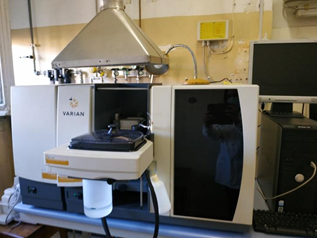
AAS graphite furnace mode
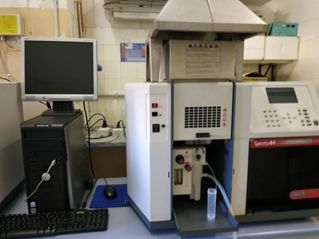
AAS flame mode
The Agilent 240Z Atomic Absorption Spectrometer utilizes the sensitive AC-modulated Zeeman technique, recognized as offering the best detection limits among Zeeman-based spectrometers. Equipped with up to four fixed lamp positions, the instrument ensures exceptional sensitivity, robust performance, and user-friendly operation.
It comes with the GTA 120 Zeeman graphite tube atomizer, delivering enhanced graphite furnace capabilities for high-precision trace metal analysis. Both furnace and flame modes are seamlessly controlled via Agilent Worksheet Software, using a single PC interface—greatly reducing training requirements by enabling fast setup, intuitive operation, and simplified method development.
This system provides an extensive linear dynamic range, from sub-parts-per-billion to percent levels, making it suitable for virtually any type of sample. Additionally, the use of dedicated atomizers eliminates the need for frequent setup changes, ensuring maximum efficiency and throughput.
Elemental Analysis
CHNS Elemental Analysis—also known as organic elemental analysis or elemental microanalysis—is a reliable and cost-effective technique for determining the carbon (C), hydrogen (H), nitrogen (N), and sulfur (S) content in a sample. It is widely used to assess the chemical composition and purity of compounds and is applicable to a broad range of sample types, including solids, volatile substances, and viscous liquids.
This technique plays a crucial role in both the research and development and manufacturing phases of pharmaceuticals, providing essential information on the composition, structure, and purity of organic compounds present in active ingredients, intermediates, and formulations.
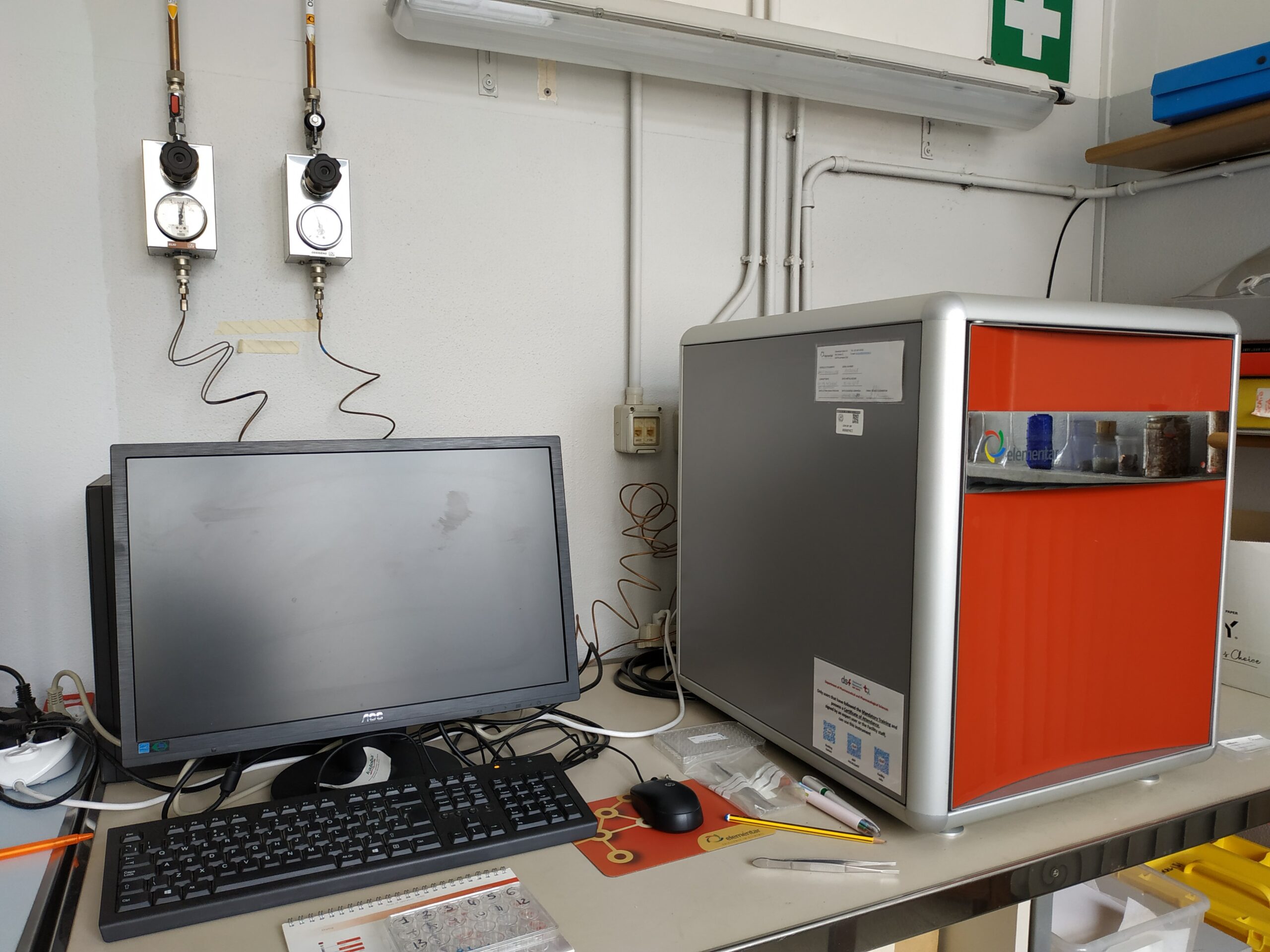
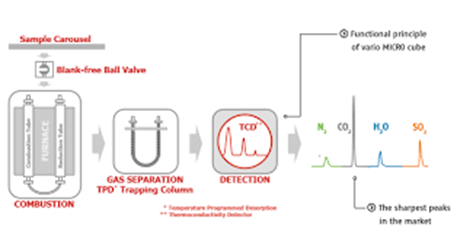
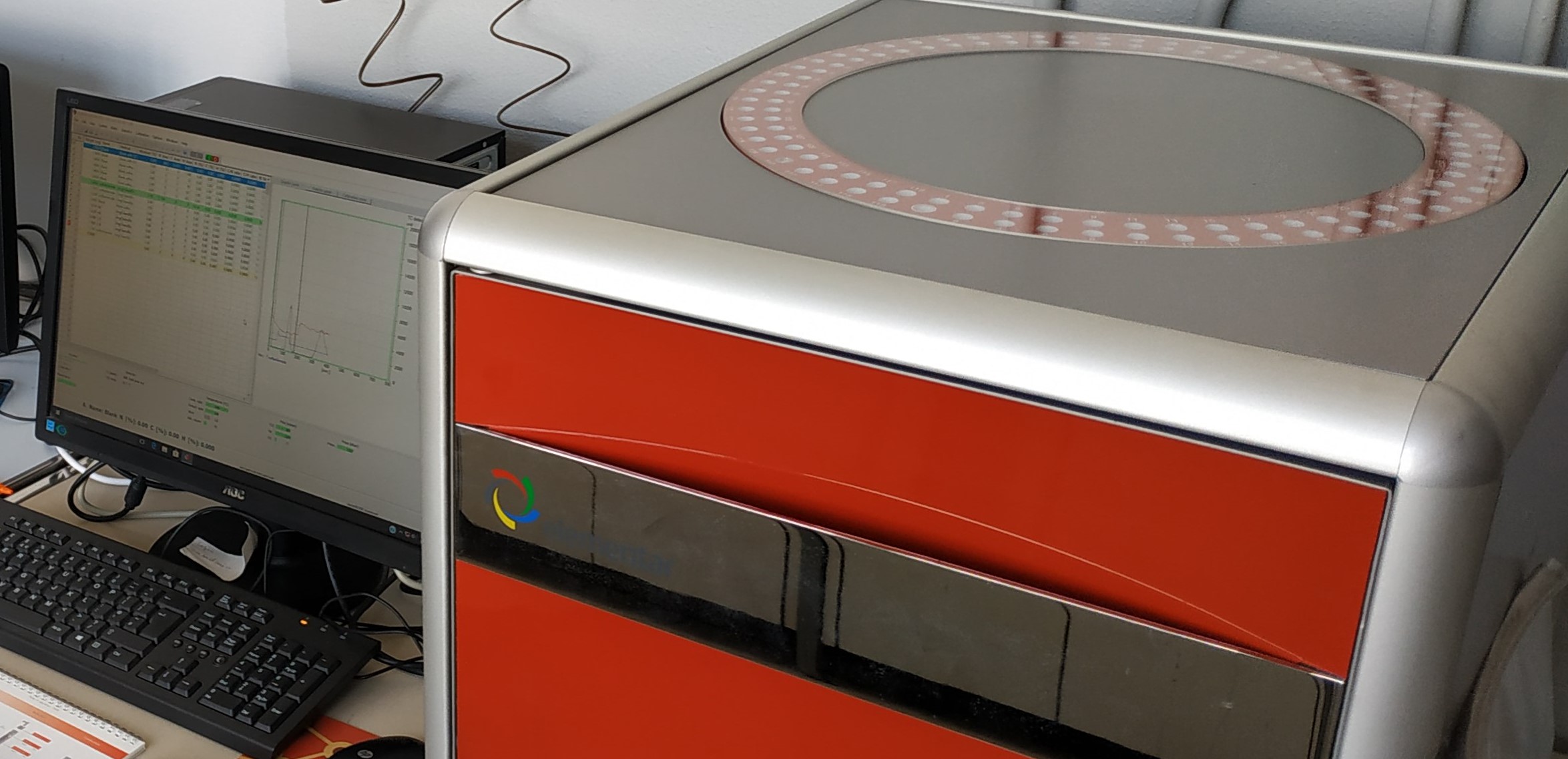
The Vario MicroCube performs the determination of nitrogen, carbon, hydrogen, and sulfur through high-temperature combustion based on the Dumas method, utilizing a thermal conductivity detector (TCD) optimized for maximum sensitivity. This configuration enables the quantification of trace levels of carbon and nitrogen with detection limits as low as 10 µg/g (10 ppm).
Accurate and reproducible results are ensured by blank-free sample introduction via the proprietary “ball valve®” system and jet-injection of oxygen directly into the combustion zone. This guarantees complete oxidation of the sample into measurable gases—an essential condition for matrix-independent and highly precise elemental analysis.
The system also features TPD® (Temperature-Programmed Desorption) column technology for efficient separation of combustion gases. Each gas is released at a specific temperature, only after the previous gas peak has returned to baseline. This ensures perfect peak separation, eliminates overlap, and allows for automatic optimization of analysis time, increasing throughput and data quality.
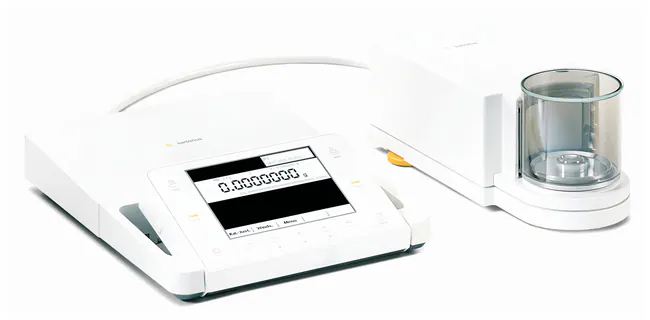
Other equipment
Start D – Microwave digestion System – Milestone
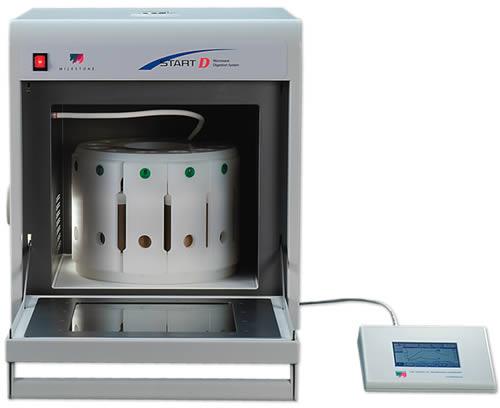
- High Microwave Power (1,200 W): Enables rapid vessel heating. Capable of simultaneously digesting up to 24 food samples with a Uniform Microwave Distribution.
- All Stainless-Steel Construction: The chassis and cavity are made of corrosion-resistant stainless steel, coated with PTFE.
- Fast Air Cooling for Higher Throughput: Equipped with a high-performance air flow system that cools the vessel exteriors quickly. Optionally, vessels can be cooled in a water bath, reducing total cooling time to under 10 minutes.
- Wide Rotor Compatibility: Supports a broad range of sample types—from environmental matrices like wastewater and sludge to challenging materials like ceramics and refractories.
- Safe, Easy, and Cost-Effective Operation: Designed to make microwave digestion simple, safe, and affordable for routine and demanding applications.
Ethos X – Advanced microwave extraction system – Milestone
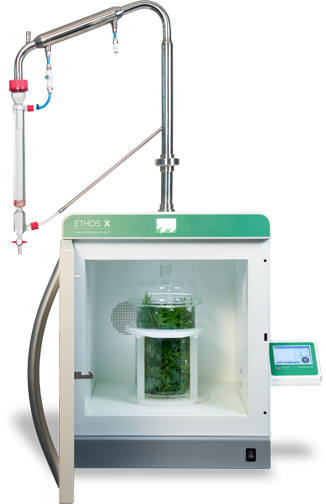
- Fast Extraction: Completes microwave-assisted extraction in minutes, processing multiple samples simultaneously. Uses closed vessels to heat solvents above boiling point, improving analyte solubility and reducing extraction time.
- Over 70 liters of Microwave Cavity
- High Microwave Power: Equipped with two 950 W magnetrons (total 1900 W) and a rotating diffuser for uniform microwave distribution and rapid heating.
- Advanced Temperature & Pressure Sensors: ensuring consistent extraction quality.
- Adaptable to Solvent Types: Uses patented Weflon® stir bars to heat non-polar solvents effectively, overcoming limitations of traditional microwave heating.
- Versatile Pressure Rotors: Various rotor options for different sample types, including environmental, food, pharmaceuticals, and polymers.
Contact and info
Contact the manager before booking, asking about facility rates.
Facility manager: Dott.ssa Michela Paccagnella
Phone: 049 8275374
e-mail: mic.paccagnella@unipd.it
Facility staff for DSF: Dott. Enrico Paglia
Phone: 049 8275807
e-mail: enrico.paglia@unipd.it
Facility staff for DiSC: Dott. Renato Schiesari
Phone: 049 8275278
e-mail: renato.schiesari@unipd.it
Scientific supervisor:
For Elemental Analysis: Prof.ssa Valentina Gandin
For Atomic Absorption: Prof. Stefano Dall’Acqua
Location: Building A, Via Marzolo 5
(Cod. geotec: 00190 02 035, 036, 037)
Booking
To book an elemental analysis or atomic absorption session, fill out the form and upload it.
Publications
“The beeswax processing by-product: a potential antibacterial ingredient for food and nutraceutical applications”
Gregorio Peron, Nadia Alessandra Carmo dos Santos, Irene Ferrarese, Filippo Rizzo, Giulia Bernabe,Michela Paccagnella, Marina Panozzo, Stefano Francescato, Ignazio Castagliuolo, Stefano Dall’Acqua, Maurizio Selva & Alvise Perosa
International Journal of Food Science and Technology 2023 p.1-8
“Valorisation of residual orange peels from PDO cultivars of the Ribera area, Sicily (Italy): extraction, characterization and bioactivity assessment of essential oils and secondary metabolites”
Gregorio Peron, Sara Marcheluzzo, Giulia Bernabé, Gokhan Zengin, Kouadio Ibrahime Sinan, Michela Paccagnella, Ignazio Castagliuolo, Mirella Zancato, Stefano Dall’Acqua
Journal of Functional Foods 116 (2024) 106147
“Blue Carbon Assessment in the Salt Marshes of the Venice Lagoon: Dimensions, Variability and Influence of Storm-surge Regulation”
Alice Puppin, Davide Tognin, Michela Paccagnella, Mirella Zancato, Massimiliano Ghinassi, Marco Marani, and Andrea D’Alpaos. Earth’s Future.
“Water and Electrolyte content in hypertension in the skin (WHYSKI) in primary aldosteronism“
Francesca Torresan, Federico B. Rossi, Ilaria Caputo, Sofia Zanin, Brasilina Caroccia, Andrea Mattarei, Michela Paccagnella, Eva Kohlscheen,Teresa M. Seccia, Maurizio Iacobone and Gian-Paolo Rossi
Hypertension, 2024;81:00-00,DOI: 10.1161/HYPERTENSIONAHA.124.23700 December 2024. p 1-11


